



Best Antioxidant Supplements for Mitochondrial Support
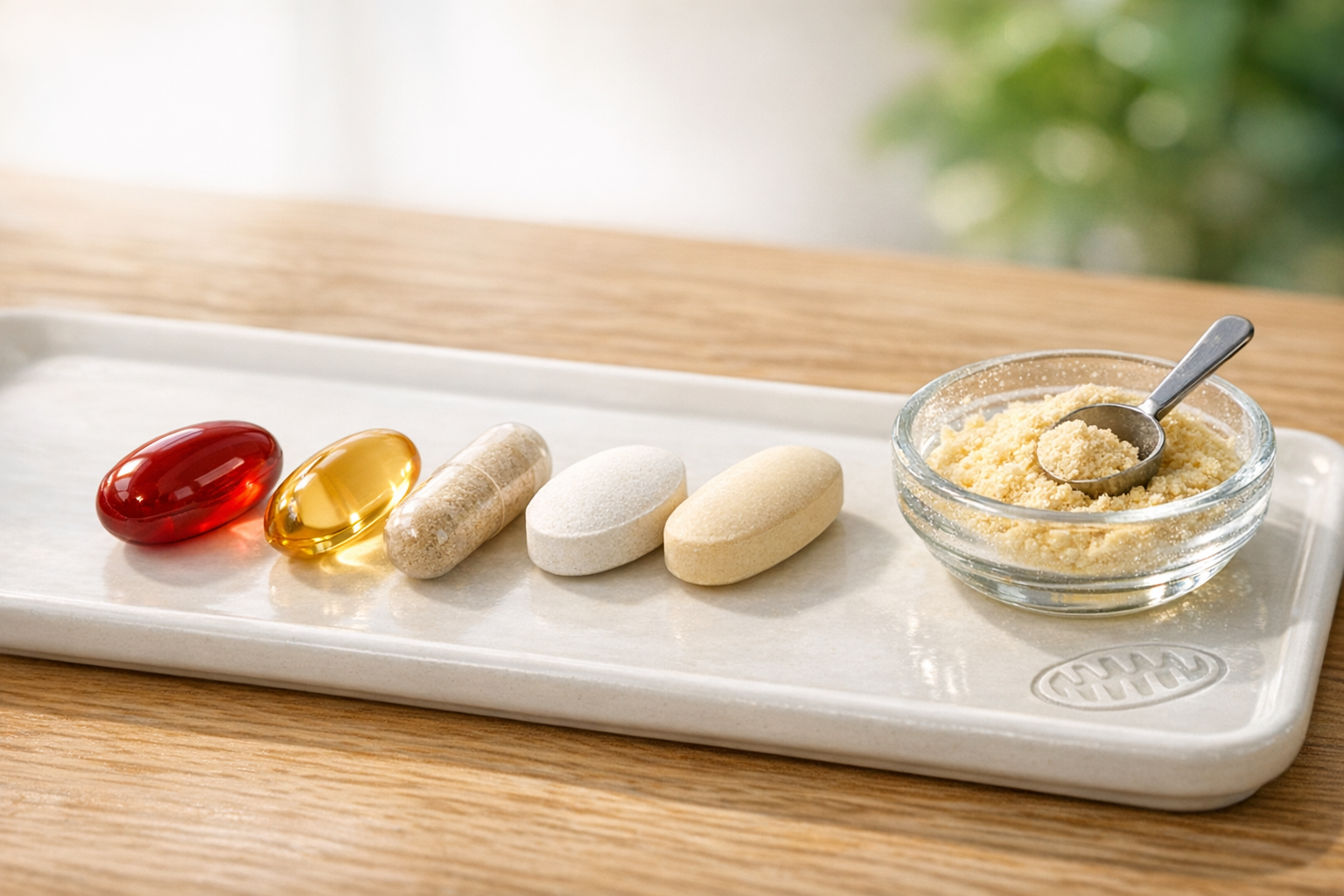
Mitochondria power your cells, but energy production generates free radicals, which can harm these "cellular engines" over time. Antioxidants protect mitochondria from this damage, helping maintain energy levels, stamina, and overall health - especially as you age. Below are six supplements that support mitochondrial function:
- CoQ10: Boosts energy production and protects cell membranes. Best taken with fat-containing meals.
- Alpha-Lipoic Acid (ALA): A dual-soluble antioxidant that aids metabolism and recycles other antioxidants.
- Resveratrol: Mimics calorie restriction to improve mitochondrial efficiency.
- Pyrroloquinoline Quinone (PQQ): Promotes the creation of new mitochondria.
- N-Acetyl Cysteine (NAC): Increases glutathione levels for oxidative defense.
- Melatonin: Supports mitochondrial repair during sleep.
Quick Tip: Pair supplements with high-intensity exercise and quality sleep for better results. Always consult a healthcare provider before starting, especially if you take medications.
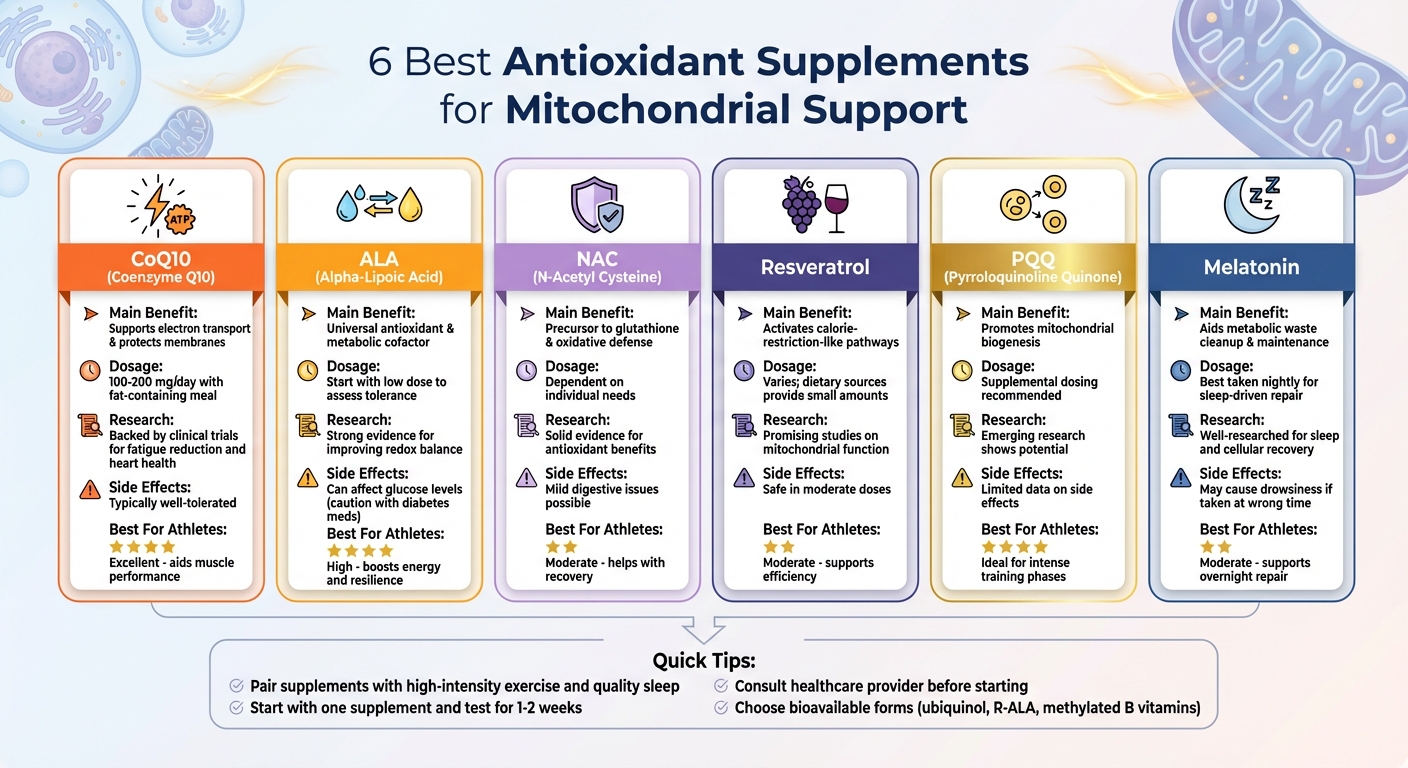
6 Best Antioxidant Supplements for Mitochondrial Support Comparison Chart
6 Best Antioxidant Supplements for Mitochondrial Support
Coenzyme Q10 (CoQ10)
CoQ10 plays a dual role in your cells: it aids in ATP production and shields mitochondrial membranes from damage caused by free radicals. Since our natural CoQ10 levels drop as we age, supplementing with it may help maintain energy levels. Typical doses for adults range between 100–200 mg per day. Because CoQ10 is fat-soluble, it’s best absorbed alongside a meal containing fat. Both ubiquinone and ubiquinol forms are effective, though ubiquinol is often highlighted for its improved absorption. If you’re on anticoagulants or insulin, make sure to consult your healthcare provider before starting CoQ10.
Alpha-Lipoic Acid (ALA)
ALA stands out for its dual solubility - it works in both water and fat environments. Inside the mitochondria, it acts as a cofactor for dehydrogenase complexes, linking carbohydrate metabolism to energy production. Additionally, ALA helps regenerate other antioxidants like glutathione and vitamin E, enhancing their protective roles. However, since ALA can affect glucose levels, anyone on glucose-lowering medications should check with a healthcare professional before using it.
Resveratrol
Resveratrol, found naturally in grapes, red wine, and certain berries, supports mitochondrial efficiency by mimicking the effects of calorie restriction. It activates genetic pathways that boost mitochondrial function and energy production. While dietary sources provide small amounts, supplementation ensures a more consistent intake.
Pyrroloquinoline Quinone (PQQ)
PQQ is a powerful activator of mitochondrial biogenesis. It triggers the PGC-1α pathway, which promotes the creation of new mitochondria, and helps maintain cellular signaling and redox balance. This dual action protects cells from oxidative stress while encouraging mitochondrial renewal.
"Many people think of mitochondrial support as simply taking a high dose of one ingredient, like CoQ10... The best supplements should support these specific contexts - like cognitive energy vs. overnight restoration - using synergistic ingredients at precise, biologically-aligned doses."
– Dirk Gevers, Ph.D., Chief Scientific Officer, Seed
Melatonin
Melatonin supports mitochondrial health by clearing harmful metabolic waste during deep sleep and regulating energy cycles within cells. It also plays a role in preserving the structural integrity of the mitochondrial network, emphasizing the importance of quality sleep for overall mitochondrial function.
sbb-itb-7567710
Comparison Table: Antioxidant Supplements for Mitochondrial Health
Here’s a simple breakdown of key antioxidant supplements and how they support mitochondrial health. Each one offers distinct benefits, making it easier to choose based on your needs. For example, CoQ10 is known for energizing cells and shielding mitochondrial membranes, while ALA aids metabolic processes in both water- and fat-based environments and recycles antioxidants like vitamin E and glutathione.
NAC helps boost glutathione levels, and resveratrol mimics the effects of calorie restriction to improve mitochondrial efficiency. Meanwhile, PQQ encourages the growth of new mitochondria, and melatonin plays a role in nightly metabolic cleanup and maintaining mitochondrial health during sleep.
Check out the table below for a quick, side-by-side comparison:
| Supplement | Main Mitochondrial Benefit | Recommended Dosage | Research Support | Common Side Effects | Suitability for Athletes |
|---|---|---|---|---|---|
| CoQ10 | Supports electron transport & protects membranes | 100–200 mg/day with a fat-containing meal | Backed by clinical trials for fatigue reduction and heart health | Typically well-tolerated | Excellent; aids muscle performance and training consistency |
| ALA | Acts as a universal antioxidant & metabolic cofactor | Start with a low dose to assess tolerance | Strong evidence for improving redox balance | Can affect glucose levels; caution with diabetes medication | High; boosts energy and resilience |
| NAC | Precursor to glutathione & oxidative defense | Dependent on individual needs | Solid evidence for antioxidant benefits | Mild digestive issues possible | Moderate; helps with recovery and cellular protection |
| Resveratrol | Activates calorie-restriction-like pathways | Varies; dietary sources provide small amounts | Promising studies on improving mitochondrial function | Safe in moderate doses | Moderate; supports mitochondrial efficiency |
| PQQ | Promotes mitochondrial biogenesis | Supplemental dosing | Emerging research shows potential | Limited data on side effects | Ideal for intense training phases |
| Melatonin | Aids in metabolic waste cleanup & mitochondrial maintenance | Best taken nightly for sleep-driven repair | Well-researched for sleep and cellular recovery | May cause drowsiness if taken at the wrong time | Moderate; supports overnight mitochondrial repair |
This table highlights how these supplements contribute to mitochondrial protection and energy production. Pairing them with endurance or HIIT training can further enhance mitochondrial growth. Start with essential supplements and gradually add others, monitoring your body’s response over a week or two. Use this guide to make informed decisions about your antioxidant supplementation.
How to Choose the Right Antioxidant Supplement
Selecting the best antioxidant supplement is all about tailoring it to your needs. Factors like age, lifestyle, and specific health goals play a big role. For instance, if you’re over 40, your body’s CoQ10 levels naturally decline. Opting for the ubiquinol form - a version that's easier for your body to use - can help maintain cellular energy. Meanwhile, younger, active individuals might focus on supplements that enhance recovery and boost cognitive performance. Let’s break it down to help you find the right fit.
Timing is key. Avoid taking antioxidants immediately after intense exercise to allow your body to benefit from the natural adaptations that occur during recovery.
When choosing supplements, align them with your primary health goal. For mental clarity and focus, consider combining mitochondrial antioxidants like PQQ with a nootropic such as NutriFitt CODEX Nootropic ($35.99). This pairing not only supports memory and concentration but also protects the mitochondria - the energy hubs in your cells. If your goal is metabolic health or balancing blood sugar, Alpha-lipoic acid (ALA) shines as a "universal antioxidant" that works in both water and fat environments. For heart health, CoQ10 is a top choice.
Before starting any supplement, it’s wise to consult a healthcare professional. Certain antioxidants, like CoQ10 and Vitamin E, may interact with blood thinners, while ALA can impact blood sugar levels, particularly for those on diabetes medications. A professional might also suggest specialized testing, such as an Organic Acids Test (OAT), to pinpoint exactly which nutrients your body needs most.
To fine-tune your regimen, introduce one supplement at a time and test it for 1–2 weeks to see how your body responds. And remember: bioavailability matters. Look for forms like methylated B vitamins, ubiquinol, and R-ALA to ensure your body absorbs the nutrients effectively.
Conclusion
Mitochondria are the engines driving your workouts, mental focus, and overall energy. But this energy production comes at a cost - it generates free radicals that can harm cells, reduce ATP output, and speed up aging.
The six supplements discussed - CoQ10, Alpha-Lipoic Acid (ALA), N-Acetyl Cysteine (NAC), Resveratrol, Pyrroloquinoline Quinone (PQQ), and Melatonin - offer targeted support. They range in benefits from enhancing energy pathways to encouraging the creation of new mitochondria.
To truly support mitochondrial health, focus on a three-part approach: improving energy production, shielding cells from oxidative stress, and promoting mitochondrial growth.
When choosing supplements, prioritize bioavailable forms like ubiquinol (active CoQ10) and R-ALA (a more absorbable Alpha-Lipoic Acid). Pair fat-soluble antioxidants with healthy fats to improve absorption, and combine supplementation with high-intensity interval training or endurance exercise to naturally boost mitochondrial growth. For those with genetic differences in vitamin processing, bioactive forms are especially important.
Mitochondrial support goes beyond just supplements - it’s about giving your cells the tools to efficiently generate energy while minimizing oxidative damage. With the right approach, you can enhance both performance and long-term health.
FAQs
Which mitochondrial supplement should I start with first?
When looking to support your body's energy production, starting with supplements that aid mitochondrial function is a smart move. Two excellent options are Acetyl-L-Carnitine and CoQ10. These supplements are known for promoting mitochondrial health and helping to improve energy levels. Choosing one of these can be a great first step in enhancing your body's natural energy processes.
Can I take these antioxidants together safely?
Taking several antioxidant supplements at the same time might not be as harmless as it seems. Large doses can disrupt mitochondrial signaling, which plays a key role in maintaining overall health. Instead of self-prescribing, it’s smarter to consult with a healthcare professional. They can guide you toward addressing specific deficiencies with the right supplements, ensuring a more targeted and safer approach.
When should I take antioxidants around workouts?
For the best recovery results, aim to take antioxidants within 30–60 minutes after finishing your workout. Alternatively, you can include them regularly during periods of intense training. Antioxidants help counteract free radicals produced by exercise and play a role in aiding muscle recovery.
Latest Posts

How Ashwagandha Supports Testosterone Levels
10 Best Natural Pre-Workout Ingredients

Best Electrolyte Supplements for Fitness Goals

Best Nootropics for Productivity in 2026

Top 5 Sleep Hygiene Practices for Athletes

5 Best Pre-Workouts for Pump

The 30-Minute Body That Beats the 2-Hour One
Short, high-intensity 30-minute workouts can deliver equal or better cardio, strength, and fat-loss results than long sessions.
Checklist for Choosing Clean Label Certified Supplements
Checklist to verify certifications, ingredient transparency, batch COAs, GMP compliance, and bioavailable forms in clean-label supplements.